Table Of Content
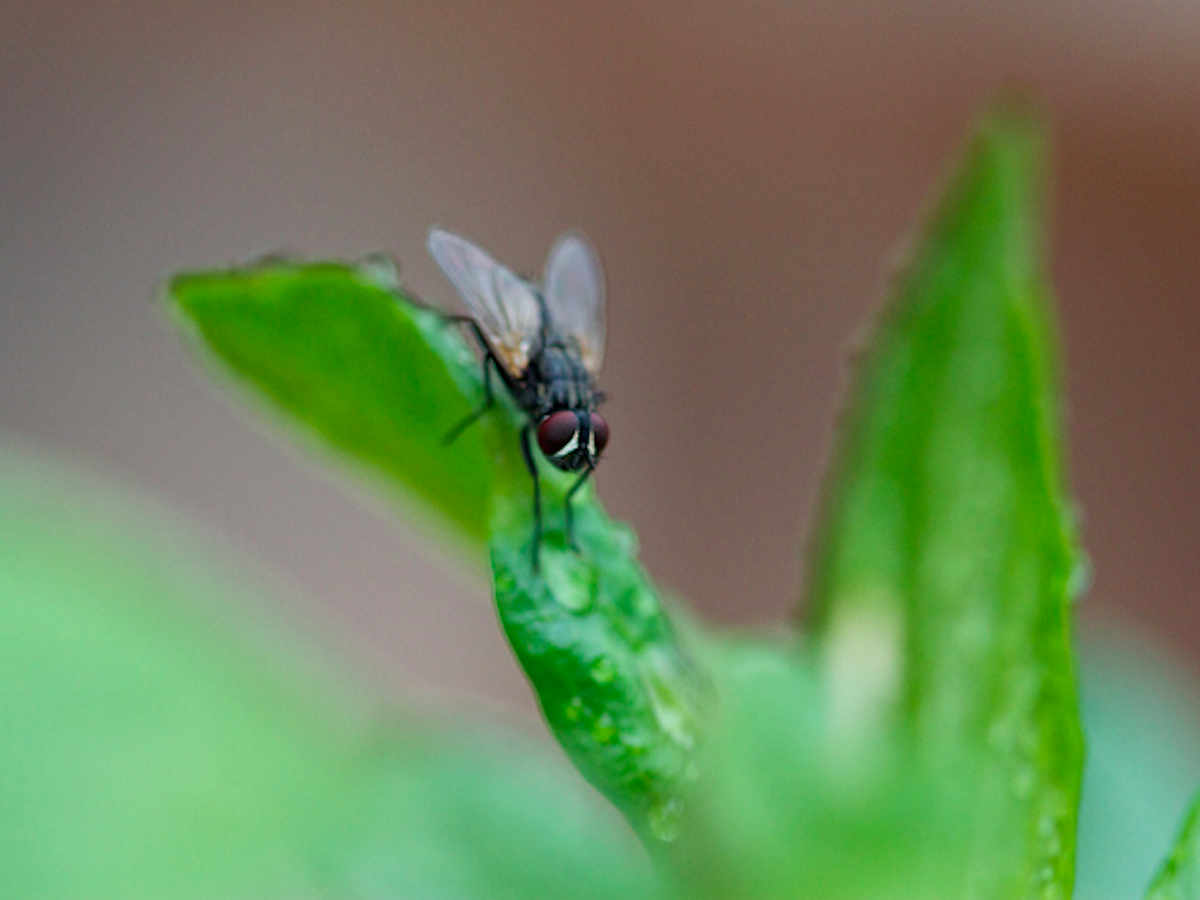
Houseflies typically enter from the outside but will sometimes breed indoors. Breeding sites inside are more common in buildings with interior garbage rooms and compactors. Houseflies, also known as nuisance flies, are well-known pests in homes worldwide. Contact your local Orkin Pro if you have house flies or maggots in or near your home. They will conduct an inspection to determine what may be the cause of these pests and provide the proper treatment methods to help remove them.
Dig Deeper on House Flies
Once a major nuisance and hazard to public health in cities, houseflies are still a problem wherever decomposing organic waste and garbage are allowed to accumulate. The larva goes through three instars and a full-grown maggot, 7 to 12 mm long, has a greasy, cream-colored appearance. The optimal temperature for larval development is 35 to 38°C, though larval survival is greatest at 17 to 32°C. Larvae complete their development in four to 13 days at optimal temperatures, but require 14 to 30 days at temperatures of 12 to 17°C. When you have a large housefly infestation, insecticides can be effective because they work quickly. However, they’re not effective in the long term, because flies have short life cycles and will develop resistance.
Larval Stage (Maggots)
However, they also have an affinity for human foods like sugar, fruits, meats, and milk products. This is why you often find houseflies buzzing around your kitchen or picnic area. They can damage crops by laying eggs on them, which further develop into larvae causing harm to the plant tissue.
How to Get Rid of Fruit Flies—and Keep Them From Coming Back - Martha Stewart
How to Get Rid of Fruit Flies—and Keep Them From Coming Back.
Posted: Thu, 12 Oct 2023 07:00:00 GMT [source]
Pyrethrin-based insecticide
Humidity is another crucial factor that affects the housefly’s life cycle. Housefly larvae, commonly known as maggots, require high humidity levels for their development. Dry conditions can lead to desiccation and death of the larvae, while overly damp conditions can result in fungal growth, which can harm them too. Therefore, an ideal relative humidity level for their growth is around 70%. The adult housefly possesses a pair of wings that are crucial for its mobility.
House flies are monitored with baited traps, sticky ribbons, or spot cards on livestock facilities. Spot cards are 3-inch by 5-inch white index cards attached to fly resting surface. A minimum of five cards should be placed in each animal facility and left in place for seven days.
Housefly

In addition to being attracted to our food, houseflies also seek out moist environments for breeding purposes. Common household items like damp mops or buckets of water can serve as ideal breeding grounds for these pests. Even pet waste left unattended in your backyard can quickly become a thriving housefly nursery. Houseflies, like many insects, have a fascinating genetic makeup that determines various aspects of their life cycle and traits. Their genetic composition is primarily inherited from the parents through sexual reproduction, with each offspring carrying a combination of genes from both parents. This genetic transmission is responsible for the housefly’s basic characteristics such as its size, color, lifespan, and resistance to certain types of insecticides.
What are maggots?
The color of this casing can range from yellow, red, brown, to almost black as it hardens and matures over time. Inside this protective cocoon, the larva starts its incredible transformation. As they near the end of their larval stage, maggots start migrating away from their food source in search of a dry and cool place where they can safely pupate.
House flies are not only nuisance pests while buzzing around homes, but they are potential disease carriers. House flies have short lifespans, but they can quickly reproduce in large numbers, leading to large house fly populations if not identified and effectively controlled. In summary, under perfect conditions – warm temperatures, high humidity levels, ample food supply – a housefly can complete its life cycle within ten days. However, external factors such as cold weather or lack of food can prolong each stage of development leading to an extended life cycle that may last up to several weeks.
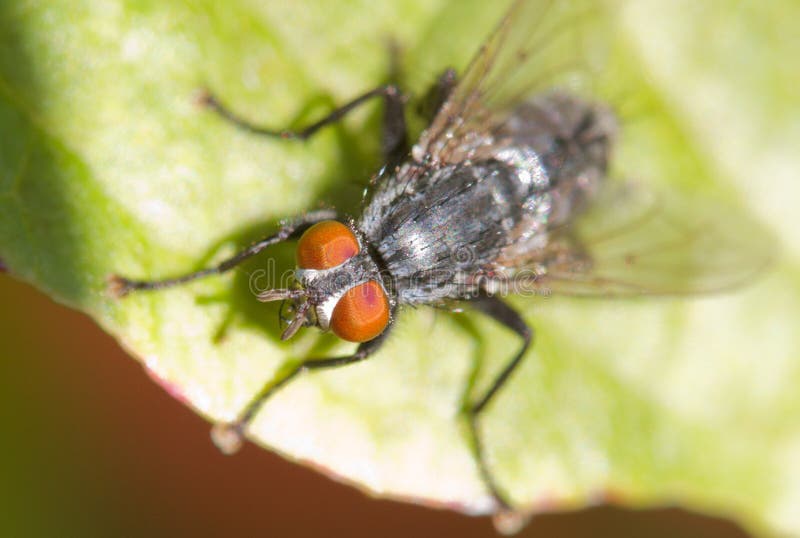
Larva Stage: Insights Into The Larval Phase (Often Called Maggots)
They normally function by electrocuting flies that enter the trap, though those used in restaurants typically have a sticky panel. Flies do not orient to traps from a great distance, so several are normally needed for them to be effective. Placement should include within 4 to 8 m of entryways, and within 1.5 m of the floor, to take advantage of fly flight behavior. They should be operated continuously, although they are most effective when the room lights are off.
It’s important to note that these durations are not set in stone; they’re averages based on numerous observations and studies. Houseflies have shown remarkable adaptability in adjusting their life cycle according to changing environmental circumstances which makes them one of nature’s most resilient creatures. Species like swallows, starlings, and sparrows are known to feed on flies regularly. In fact, during nesting season when they’re feeding their young, these birds can consume thousands of flies per day.
Beyond causing direct harm through disease transmission, houseflies also contribute indirectly towards negative health outcomes by acting as a nuisance pest. Their persistent presence can lead to stress and anxiety for some individuals impacting their mental health negatively. Temperature, humidity, and other environmental factors significantly influence the life cycle of a housefly. Let’s delve into these aspects to understand their impact better. If the female accepts the male’s advances, the next phase of the mating ritual begins – courtship. This involves a series of intricate behaviors designed to further entice the female and solidify the male’s chances of success.
House flies produce a buzzing sounds which is a result of their two wings beating together. House flies tend to stay within 1-2 miles of where they were born, but they have been documented for migrating up to 20 miles in order to find food. Since house flies don’t have teeth, they can only feed on liquids. However, they use their sponging mouthparts to liquefy many solid foods through spitting or regurgitation. House flies feed on a wide variety of substances such as human food, animal carcasses and garbage. They are particularly attracted to pet waste because of its potent odor.
Once they find an appropriate spot – usually hidden under leaves or buried in soil – they stop eating and prepare themselves for pupation. Looking closely at these tiny white ovals, you would notice that they are only about 1.2 mm long. However, don’t let their diminutive size fool you; within each egg lies the potential for rapid growth and transformation. Their omnipresence is due to their remarkable adaptability to various conditions and environments. Houseflies thrive in diverse habitats ranging from rural farmlands to urban cityscapes. They are found everywhere humans dwell – hence their name, ‘housefly’.
It’s this duality that makes understanding the life cycle of a housefly so significant – not just from an ecological perspective but also from a public health standpoint. This is primarily due to the rapid reproductive rate of houseflies – a single female can lay up to 500 eggs in her lifetime – which outpaces predation rates. Firstly, temperature plays a pivotal role in the development and survival of houseflies. Houseflies thrive in warm temperatures, with the optimum range being between 20°C – 30°C (68°F – 86°F).



No comments:
Post a Comment