Table of Content
In their lifetime, female silverfish can lay up to an average of 100 eggs. Depending on the species, the eggs are laid in clusters of 2 to 20 or in groups of 2 or 3 per day. Throughout an infested home, they might be kept in several locations. Because silverfish eggs frequently hide in tiny gaps or crevices, it might be challenging to find them.
It is a tiny light grey insect that loves dark spaces; generally spaces where it can easily hide. Some people report that dried bay leaves are an effective insect repellant. Once they’ve found a solid food source, they’re likely to stick around, especially if the supply is in a particularly damp moist environment such as a basement or an attic. Anyway, if nothing sorted the problem out, the most efficient way for you to exterminate the pests is by calling a silverfish specialist. The experts have the appropriate experience, know-how and equipment to save you time and efforts when dealing with the silverfish infestation. Just like most insects, silverfish cannot stand the smell of lemon and lavender.
Trap the Silverfish in a Mason Jar
If there is evidence of moisture buildup, install a dehumidifier. This powder is one of the ultimate weapons against anything that creeps and crawls. The powder is incredibly sharp and is able to pierce its tiny exoskeletons.
Use a mason jar, masking tape, and bread to make a simple trap. Just how a hot shower and moisture in the air can help, the theory is steam in the hot drink can soften and break down mucus, allowing you to breathe easier. They also recommend spraying the vinegar and water solution into cabinets and drawers to prevent moth infestations. Dekko Silverfish Paks are paper envelopes that contain boric acid,which is poisonous for silverfish.Trapper Max Mouse and Insect Glue Boards.
TODAY'S PAPER
So do check your basement, your laundry room, or your bathroom. In other words, look at the spaces in your home that are exposed to water. Sprinkling some food-grade diatomaceous earth around baseboards or other areas where you’ve spotted the silverfish. Put it in all areas where they like to hide, including cracks and small holes. Diatomaceous earth works by physically damaging bugs’ exoskeletons, making them unable to retain moisture; they die of dehydration, not poisoning.
Finally, remove any stacks of papers, books, or magazines around your home since silverfish like to hide in them. These days, it seems that bed bugs are getting all the press. Silverfish and firebrats, in comparison, are relatively harmless but extremely ugly and creepy. It doesn’t help matters that they love to congregate in cold, damp, and dark areas in your home, like under the bathroom sink and in the basement. These pests eat dried items, such as cereal, dry pet food, and starchy foods, like fibers, sugars, textiles, grains, and dried goods.
Silverfish and our health
Silverfish are fairly harmless, but these grayish-blue, serpentine creatures aren't pleasant to have around the house. They feed on books, dead skin cells, and other starchy materials and thrive in dark, wet spaces. There are plenty of options to try, so be aware that you may have to experiment and implement several techniques to completely fix your silverfish problem. Grab a tall, glass jar and wrap with masking tape - this gives the bugs a way to climb in.
They survive in most environments but thrive more in high humidity, dark and damp areas such as kitchens, pantries, and bathrooms. Silverfish are nuisance pests as they are known for their destructive feeding habits. This includes behaviour such as damaging old books, wallpaper, plaster and other household items. Since silverfish love moisture, they gravitate toward bathtubs and drains. The last thing you want to do, though, is bathe with these creepy-crawlies.
The tiny silver bugs you’ve seen in your home are likely silverfish, a common pest in the UK. Even while a silverfish infestation can be annoying, the good news is that there are several home remedies and DIY solutions you can try to get rid of them. Silverfish are not dangerous or dirty pests but they do nibble away at your interior and furnishings. Plus, they are not pleasant or attractive houseguests to have in your bathroom or under your sink!
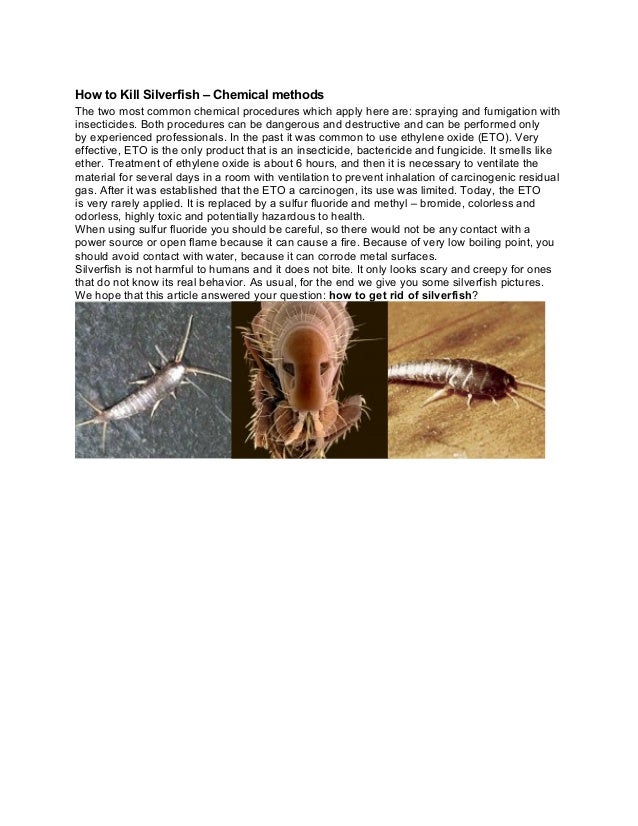
Based on what we find during our inspection, we’ll design a pest management plan to help reduce silverfish populations. Spray the outside of your home with store-bought insect repellent, paying special attention to the line of your foundation, and the area around your windows and doors. Effective pest killer for silverfish, clothes moths, and carpet beetles. Silverfish will be able to get into the jar by using the textured surface of the tape.
Since silverfish love damp places, reducing the humidity in your home is a sure way to keep them out. Make as many traps as necessary to trap the silverfish in your home. Depending on the severity of your infestation, you may need to set them out several nights in a row. Medical News Today recommends making use of white vinegar to combat moths and their eggs. The experts add that with "a little effort, you can easily remove an infestation or pre-emptively reduce the chances" of moths getting a foothold in your home.

They leave their eggs, which look like white and yellow bulbs, in dark, moist, hidden areas of your home. If they know they can get this in your house, they’ll set up home. To prevent the chances of a Silverfish infestation we recommend keeping as many areas around the home dry and clean.
Silverfish can be controlled effectively using pest control techniques, such as poison, much like all other insects. There are a number of methods for dealing with a silverfish infestation, including foggers, bug bombs, and focused sprays. Starchy foods are their favorite, and silverfish will go to considerable lengths to find them.

These yellow stains often show up in books, papers, cardboard boxes, or on clothing. Instead, silverfish love moisture, so their presence tends to indicate moisture rather than dirtiness in a home. Since silverfish eat common building and construction materials, even clean homes will offer them plenty of sustenance. Silverfish are some of the most common pest insects in the world, and they can live as long as 8 years. Inside your home, silverfish can cause property damage by chewing holes in furniture, textiles, clothing, upholstery, wallpaper, and more.
Just grab a few dried bay leaves and place them anywhere you’ve seen silverfish signs. Sticky traps, available at most hardware or home and garden stores, are an excellent way to get rid of silverfish. Purchase several of these traps and place them anywhere you’ve noticed silverfish activity. After a few days, check the traps and discard any that have silverfish stuck to them. Silverfish love to establish themselves in protected areas like behind furniture, in bookshelves, or in damp basements.



No comments:
Post a Comment